
Anti-Inflammatory Foods for Women
Explore our comprehensive guide to foods that support women's wellness through natural anti-inflammatory benefits. Discover scientifically-backed nutrition choices for optimal health.
The information on this site is for educational purposes only and does not constitute medical advice. Always consult a qualified healthcare professional before making health decisions.
Blueberries
Blueberries are packed with anthocyanins, powerful compounds that help reduce inflammatory markers in the body. Regular consumption supports joint health and may benefit cognitive function. These berries are easily incorporated into breakfast smoothies, oatmeal, or enjoyed as a snack.
Key Nutrients: Anthocyanins, Vitamin C, Fiber
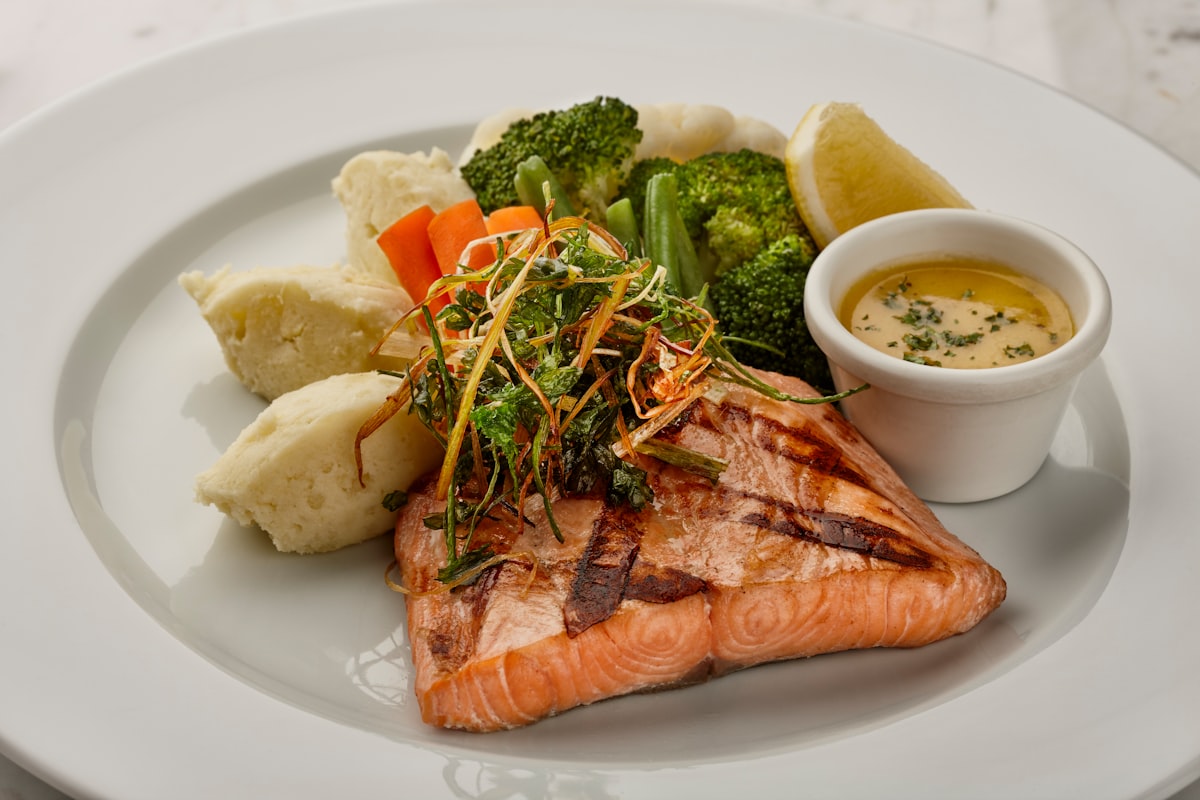
Salmon
Salmon is an excellent source of omega-3 fatty acids (EPA and DHA), which actively combat inflammatory pathways in the body. These healthy fats support cardiovascular health, hormone balance, and reduce systemic inflammation. Aim for two servings per week for optimal benefits.
Key Nutrients: Omega-3 Fatty Acids, Vitamin D, Selenium
Spinach
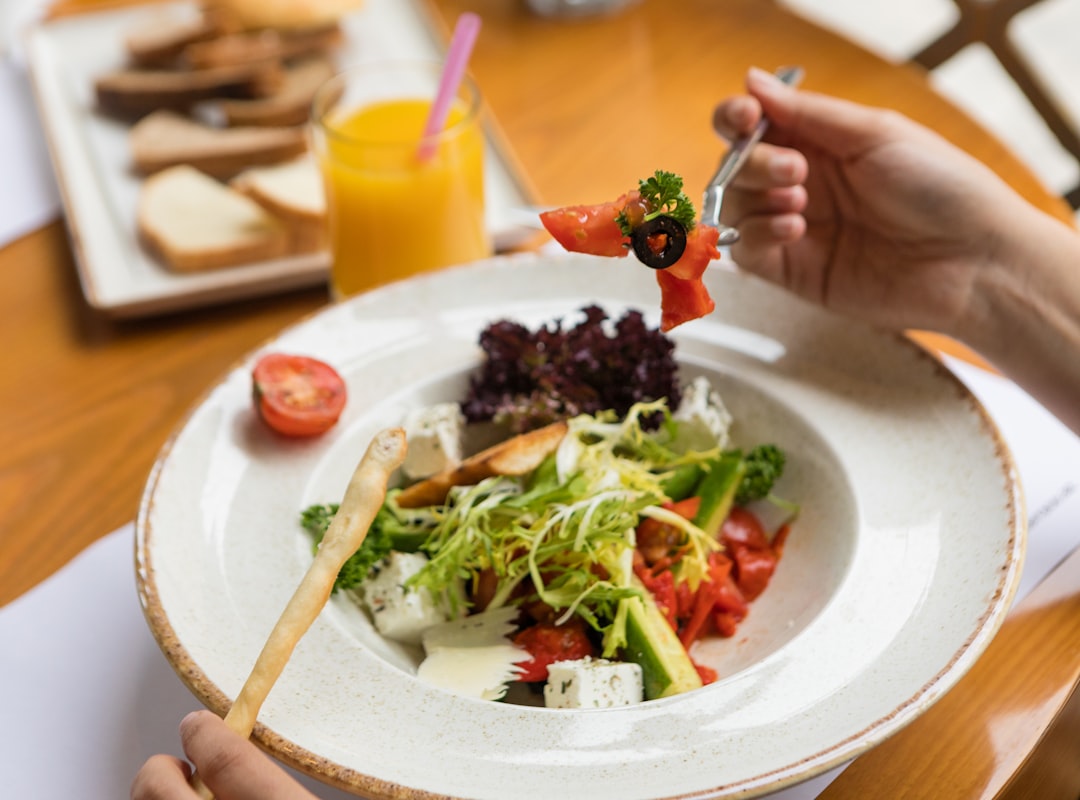
Dark leafy greens like spinach contain high levels of vitamin K, lutein, and protective antioxidants that suppress inflammatory cytokines. Spinach is versatile—enjoy it raw in salads, blended into smoothies, or lightly cooked as a side dish. The bioavailability of nutrients increases slightly with gentle cooking.
Key Nutrients: Vitamin K, Lutein, Magnesium

Turmeric
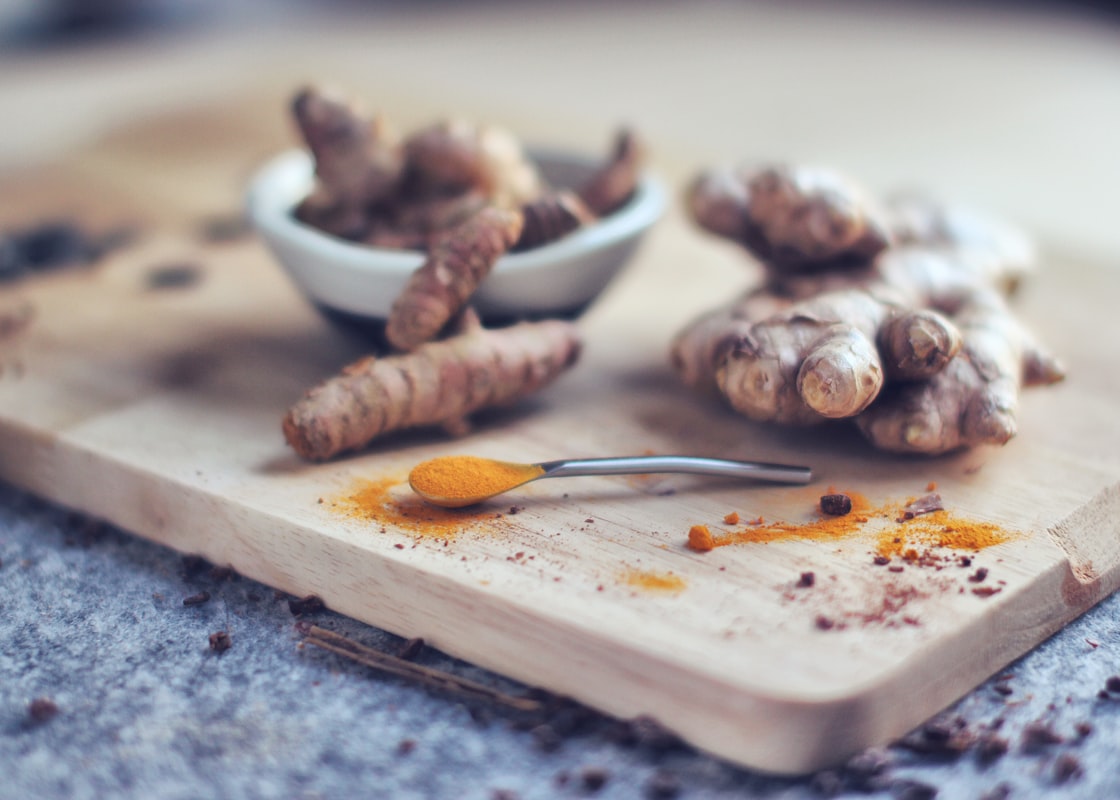
Turmeric contains curcumin, a bioactive polyphenol with strong anti-inflammatory properties. For enhanced absorption, combine turmeric with black pepper (which contains piperine). Add turmeric to curries, golden milk lattes, roasted vegetables, or rice dishes to support overall wellness.
Key Nutrients: Curcumin, Polyphenols, Manganese
Extra Virgin Olive Oil
Extra virgin olive oil is rich in oleocanthal, a compound that functions similarly to anti-inflammatory compounds. The polyphenols in quality olive oil support vascular health and reduce inflammatory markers throughout the body. Use it for dressings, drizzling over finished dishes, or light cooking at moderate temperatures.
Key Nutrients: Oleocanthal, Polyphenols, Monounsaturated Fats
Ginger
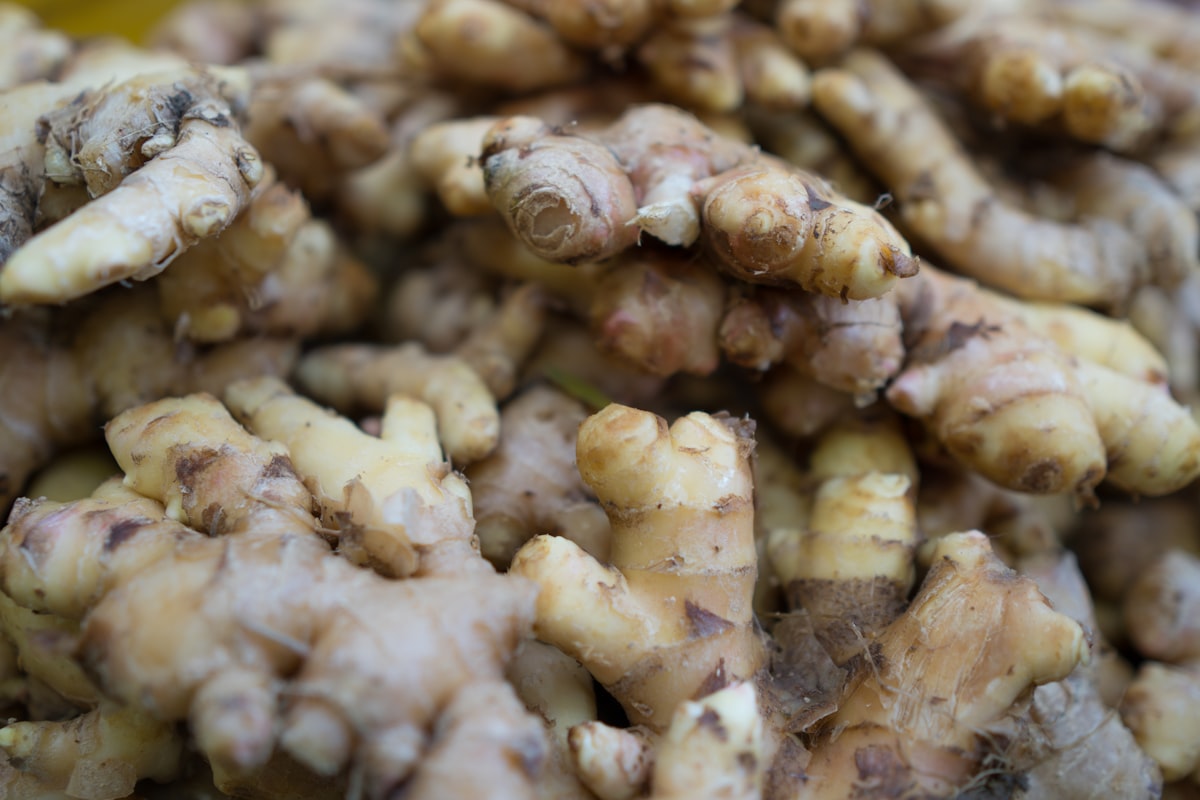
Ginger root contains gingerol compounds that inhibit pro-inflammatory pathways and may support digestive comfort. Fresh ginger can be steeped into tea, grated into smoothies, added to stir-fries, or used in baking. The warming properties of ginger are traditionally valued in wellness practices worldwide.
Key Nutrients: Gingerol, Zingerone, Shogaol
Why Anti-Inflammatory Foods Matter for Women
Women's bodies experience unique physiological shifts throughout life stages—from reproductive years through menopause and beyond. Chronic inflammation can amplify hormonal fluctuations and affect overall vitality. By incorporating anti-inflammatory foods into daily nutrition, women can actively support their body's natural balance.
Hormonal Support
Specific nutrients help regulate hormonal pathways and reduce inflammatory responses triggered by hormonal changes.
Joint and Bone Health
Omega-3 fatty acids and antioxidants help protect bone density and maintain joint flexibility throughout life.
Energy and Vitality
Reducing inflammatory load helps the body operate more efficiently, supporting sustained energy levels and resilience.
How to Integrate Anti-Inflammatory Foods
Start Small
Begin by adding one or two anti-inflammatory foods to your current diet each week. This gradual approach helps your body adapt and makes lasting changes sustainable.
Build Meals Mindfully
Combine multiple anti-inflammatory foods in single meals—think salmon with spinach salad and olive oil dressing, or berry smoothies with ground flax. Synergistic combinations amplify benefits.
Choose Quality Sources
Prioritize wild-caught fish when possible, organic produce, and cold-pressed oils. Quality sourcing ensures higher nutrient density and fewer unwanted additives.
Stay Consistent
Dietary changes deliver greatest benefits over time. Commit to incorporating these foods regularly—several times per week minimum—for noticeable results over weeks and months.
Frequently Asked Questions
How quickly will I notice changes?
Can I combine these foods in any way?
Are frozen and canned versions equally nutritious?
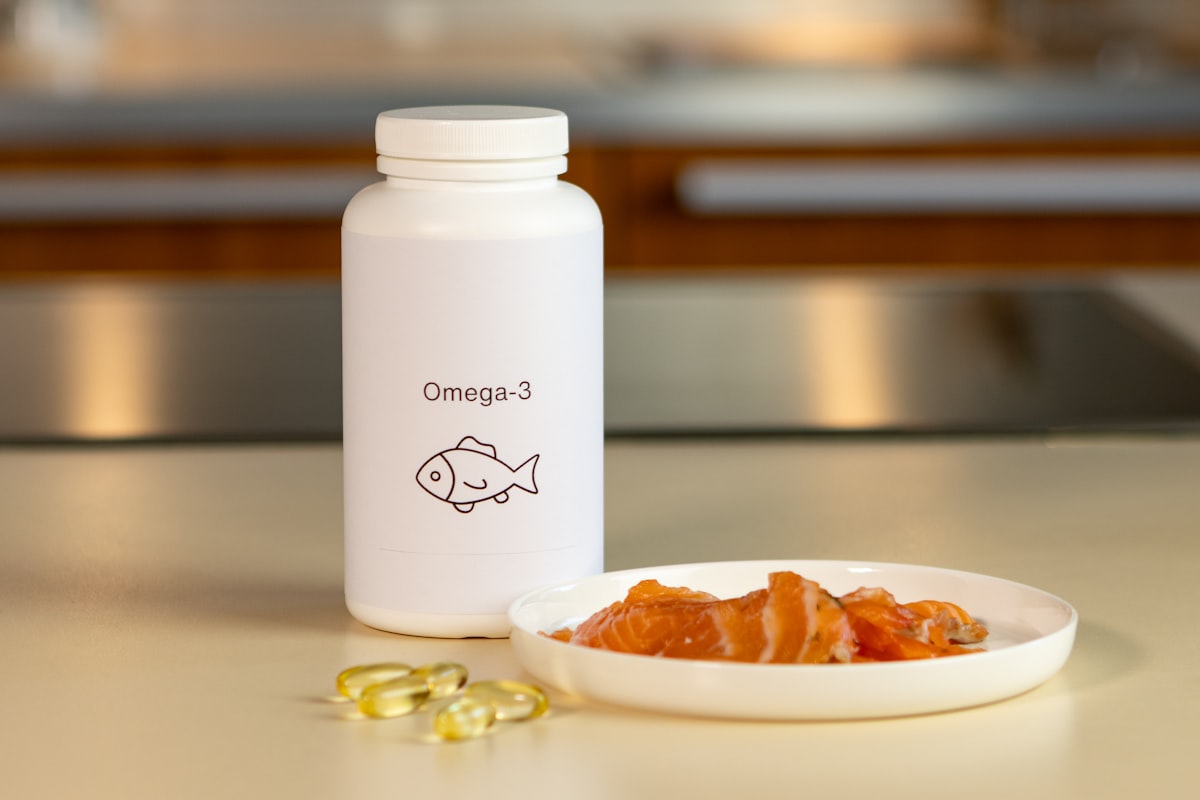
Can I use supplements instead of whole foods?
What about budget-friendly options?
Are there foods to avoid or limit?
What Readers Are Learning
"I never realized how interconnected food and my hormonal balance were. After learning about these anti-inflammatory foods and integrating them consistently, I've noticed such a positive shift in my energy levels and overall well-being. The practical guidance here has genuinely transformed my approach to eating."
Maria Lehtonen
Helsinki, Finland
"As someone who struggled with understanding which foods actually matter for wellness, this resource has been eye-opening. The scientific explanations are clear without being overwhelming, and the practical meal integration tips have made dietary changes feel manageable and sustainable."
Kari Mäkinen
Oulu, Finland
Deepen Your Knowledge
Explore our comprehensive articles and guides about anti-inflammatory nutrition, women's wellness, and evidence-based dietary approaches.